
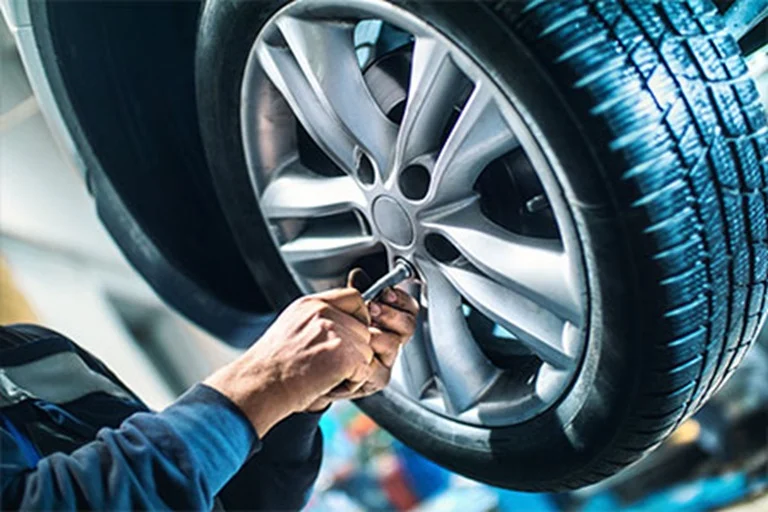

Introduction
Tire maintenance plays a critical role in overall vehicle safety. Tires are the only part of a vehicle that directly contacts the road surface, making their condition essential for stability, braking performance, steering control, and fuel efficiency. Proper tire care not only reduces accident risks but also improves driving comfort and vehicle lifespan.
Understanding how routine tire inspection and maintenance contribute to safety helps drivers make better decisions that protect both passengers and vehicles.
Why Tire Maintenance Is Essential for Safe Driving
Well-maintained tires ensure reliable traction and responsive handling in different road and weather conditions. Neglecting tire condition can lead to reduced braking efficiency, steering instability, and increased chances of tire failure.
Key safety advantages include:
- Better road grip during acceleration and braking
- Improved vehicle stability on curves
- Reduced risk of tire blowouts
- Enhanced control during emergency maneuvers
- Safer driving during wet or uneven road conditions
Consistent tire maintenance significantly lowers the chances of unexpected driving hazards.
Maintaining Proper Tire Pressure Improves Stability
Correct tire pressure is one of the most important safety factors. Both underinflated and overinflated tires affect vehicle handling and braking distance.
Benefits of proper tire pressure include:
- Improved steering response
- Shorter braking distance
- Reduced tire wear
- Better fuel efficiency
- Lower risk of sudden tire damage
Drivers should check tire pressure regularly, especially before long journeys.
Monitoring Tire Tread Depth Enhances Road Grip
Tread depth determines how effectively a tire grips the road surface. Tires with worn-out tread lose traction, especially on wet roads, increasing the risk of skidding.
Maintaining sufficient tread depth helps:
- Improve water drainage during rainy conditions
- Prevent hydroplaning
- Maintain stability at higher speeds
- Increase braking performance on slippery roads
Regular inspection ensures tires remain safe for daily driving conditions.
Regular Tire Rotation Extends Tire Life and Safety
Tires wear differently depending on their position on the vehicle. Front tires usually wear faster due to steering and braking responsibilities.
Rotating tires at recommended intervals:
- Ensures even tread wear
- Maintains balanced handling performance
- Improves overall driving stability
- Extends tire lifespan
Balanced wear supports consistent safety across all four tires.
Wheel Alignment Supports Accurate Steering Control
Improper wheel alignment affects steering precision and causes uneven tire wear. Misaligned wheels can pull the vehicle toward one side, reducing driver control.
Proper alignment helps:
- Maintain straight driving direction
- Improve steering accuracy
- Reduce vibration while driving
- Prevent uneven tire wear patterns
Timely alignment checks contribute to smoother and safer vehicle handling.
Wheel Balancing Reduces Driving Vibrations
Wheel imbalance causes vibrations that affect steering control and tire performance. These vibrations can become dangerous at higher speeds.
Benefits of wheel balancing include:
- Improved ride comfort
- Better steering stability
- Reduced suspension strain
- Extended tire durability
Balanced wheels improve overall vehicle control during travel.
Inspecting Tires for Damage Prevents Sudden Failures
Regular visual inspection helps detect early warning signs such as cuts, cracks, bulges, or embedded objects. Ignoring these signs can lead to unexpected tire failure.
Drivers should watch for:
- Sidewall cracks
- Uneven wear patterns
- Nail or debris penetration
- Visible bulges or deformities
Early detection prevents roadside emergencies and improves driving confidence.
Seasonal Tire Maintenance Improves Safety in Changing Conditions
Different weather conditions affect tire performance differently. Adjusting tire care based on seasonal changes improves road safety.
Examples include:
- Maintaining proper pressure during temperature changes
- Checking tread performance before monsoon seasons
- Inspecting tires before long summer drives
- Replacing worn tires before winter travel in colder regions
Seasonal preparation ensures consistent performance throughout the year.
Safe Driving Habits That Protect Tire Condition
Driver behavior directly impacts tire health and safety performance.
Recommended practices include:
- Avoiding sudden braking and acceleration
- Maintaining recommended load capacity
- Driving carefully on rough surfaces
- Checking tires before extended trips
- Maintaining correct inflation levels regularly
Responsible driving habits increase tire lifespan and improve vehicle safety.
Economic Benefits of Proper Tire Maintenance
In addition to improving safety, tire maintenance reduces long-term vehicle expenses.
Financial advantages include:
- Lower fuel consumption
- Reduced replacement frequency
- Improved suspension system longevity
- Lower repair costs from accident prevention
Maintaining tires properly supports both safety and cost efficiency.
Frequently Asked Questions
How often should tire pressure be checked for safe driving
Tire pressure should be checked at least once every two weeks and before long-distance travel to ensure consistent driving safety.
What is the minimum safe tread depth for passenger vehicles
Most safety experts recommend replacing tires when tread depth reaches approximately 1.6 millimeters for safe road performance.
Can improper tire pressure affect braking distance
Yes, incorrect tire pressure increases braking distance and reduces vehicle control, especially during emergency stops.
Does wheel alignment improve tire lifespan
Proper wheel alignment prevents uneven wear and helps tires last longer while improving steering accuracy.
Is tire rotation necessary for all vehicles
Yes, tire rotation helps maintain balanced tread wear across all tires and supports consistent handling performance.
How do damaged tires increase accident risks
Damaged tires can suddenly lose air pressure or traction, which may lead to loss of vehicle control during driving.
When should drivers replace their vehicle tires completely
Drivers should replace tires when tread depth becomes unsafe, visible damage appears, or the manufacturer recommended service life has been reached.
Comments are closed.