
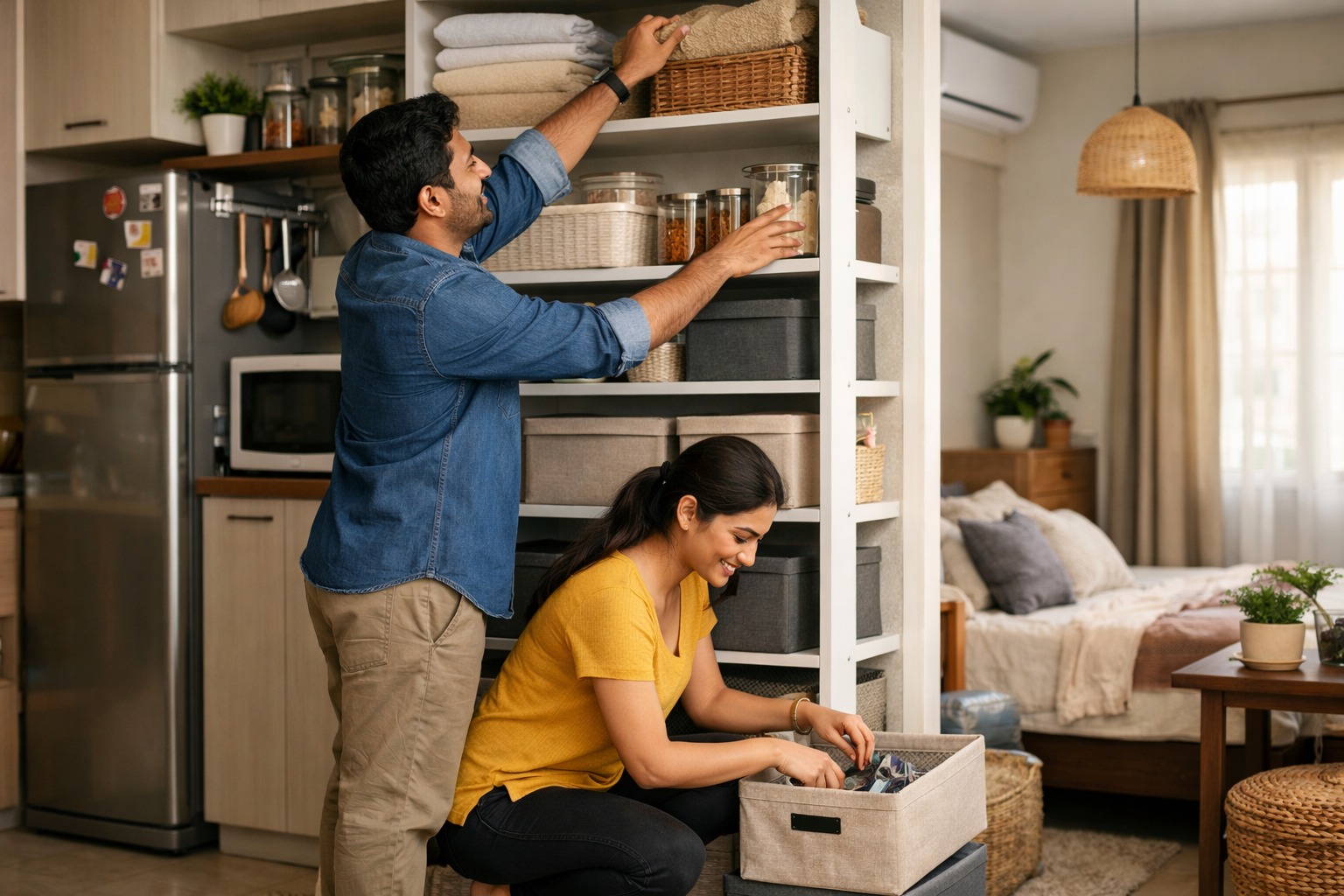

Introduction to Small Home Organization
Living in a small home does not mean compromising comfort or functionality. With thoughtful planning and practical storage strategies, limited space can feel organized, efficient, and visually appealing. Effective organization improves daily routines, reduces clutter, and creates a calmer living environment.
Small changes in layout and storage habits can significantly improve how space is used inside a home.
Understanding the Importance of Space Planning
Good organization begins with understanding how each area of the home is used. Identifying essential items and removing unnecessary clutter helps create room for more efficient storage solutions.
Key benefits of proper space planning include:
- Easier movement within the home
- Reduced visual clutter
- Improved productivity during daily activities
- Better use of available storage areas
- Increased comfort and functionality
Planning ensures every corner of the home serves a purpose.
Use Vertical Storage to Maximize Space
Vertical storage helps make use of wall space that often remains unused. Installing shelves and wall mounted organizers allows items to be stored without occupying floor space.
Effective vertical storage ideas include:
- Installing floating shelves in living areas
- Using wall hooks for bags and accessories
- Mounting kitchen racks for utensils
- Adding tall bookcases instead of wide cabinets
This approach keeps essential items accessible while maintaining open floor areas.
Choose Multi Functional Furniture
Furniture that serves more than one purpose helps reduce clutter and improves flexibility in small homes.
Examples of practical multi functional furniture include:
- Beds with built in storage drawers
- Foldable dining tables
- Sofa beds for guest accommodation
- Storage benches for entry areas
- Expandable desks for workspaces
Selecting furniture carefully can transform how space is used daily.
Organize Storage Areas Strategically
Closets, cabinets, and hidden storage areas should be arranged thoughtfully to prevent overcrowding.
Useful storage strategies include:
- Grouping similar items together
- Using labeled containers
- Storing seasonal items separately
- Placing frequently used items within easy reach
- Keeping rarely used items in upper shelves
Organized storage reduces time spent searching for essentials.
Improve Kitchen Space Efficiency
The kitchen is often one of the most crowded areas in a small home. Proper arrangement improves both accessibility and workflow.
Practical kitchen organization ideas include:
- Using stackable containers for pantry storage
- Installing cabinet organizers
- Hanging utensils on wall racks
- Keeping countertops clear
- Using corner shelves effectively
Efficient kitchen organization supports faster and easier meal preparation.
Keep Entry Areas Clean and Functional
Entry areas create the first impression of a home. Even small entry spaces can remain organized with simple adjustments.
Helpful entry area solutions include:
- Installing wall mounted key holders
- Using compact shoe racks
- Adding narrow storage cabinets
- Keeping only essential daily items nearby
Maintaining a tidy entrance improves overall home appearance.
Maintain Clutter Free Living Habits
Organization is easier to maintain when clutter is managed regularly. Developing simple habits helps prevent unnecessary accumulation of items.
Effective habits include:
- Reviewing unused items every few months
- Donating items no longer needed
- Avoiding impulse purchases
- Returning items to their place after use
- Keeping surfaces clear whenever possible
Consistent habits support long term organization success.
Use Light and Color to Enhance Space Perception
Visual design choices influence how spacious a home feels. Bright lighting and balanced color schemes create the impression of openness.
Simple improvements include:
- Choosing light colored wall shades
- Allowing natural light into rooms
- Using mirrors to reflect light
- Selecting compact furniture designs
These adjustments make small homes feel larger and more comfortable.
Create Dedicated Zones for Daily Activities
Dividing small spaces into functional zones helps improve efficiency and structure within the home.
Examples of functional zoning include:
- A reading corner in the living area
- A compact workspace near natural light
- A designated storage zone for cleaning supplies
- A specific area for daily essentials
Defined zones support better organization and reduce distractions.
Conclusion
Organizing a small home effectively requires thoughtful planning, smart storage solutions, and consistent habits. By using vertical space, selecting multi functional furniture, and maintaining clutter free routines, homeowners can create comfortable and efficient living environments even within limited space. Small adjustments made consistently produce noticeable improvements in daily comfort and usability.
Frequently Asked Questions
1 How often should small home spaces be reorganized
Reviewing storage areas every three to six months helps maintain order and prevents clutter from building up again.
2 What type of furniture works best in compact living areas
Furniture with hidden storage or foldable features works best because it reduces space usage while increasing functionality.
3 How can renters organize small homes without permanent changes
Using removable shelves, portable storage units, and adhesive hooks allows organization without altering walls permanently.
4 Are storage containers necessary for small space organization
Storage containers help group similar items together and make it easier to maintain neat and accessible storage areas.
5 How can lighting improve small home organization
Better lighting makes spaces appear larger and helps residents locate items more easily during daily activities.
6 What is the best way to organize shared small living spaces
Assigning designated storage zones for each person helps reduce confusion and keeps shared areas orderly.
7 Can minimal decoration improve organization in small homes
Yes limiting decorative items reduces clutter and allows essential storage solutions to remain effective and accessible.
Comments are closed.