
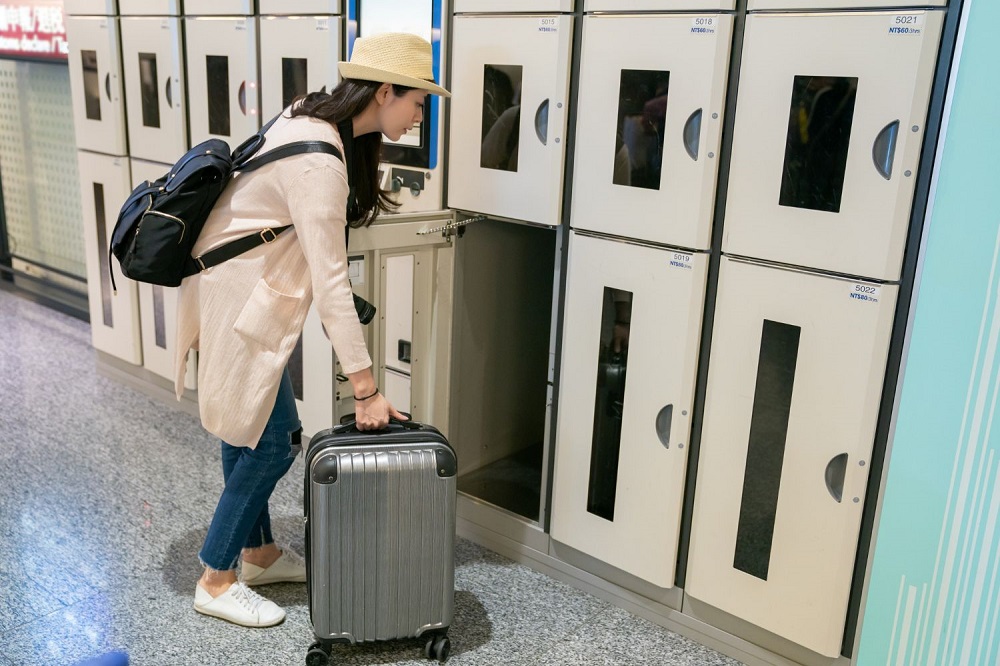

Multi-stop journeys often involve more luggage than travellers need at every stage. Someone combining a city break with an island visit, business trip or short regional tour may prefer to leave larger suitcases behind and travel with a smaller bag. In these situations, luggage storage in Bangkok can provide a practical base for belongings that are not required until the next part of the itinerary.
When Longer-Term Storage Makes Sense
Short-term storage is useful between hotel check-out and a late flight, but there are many occasions when bags need to be left for several days or weeks.
Travellers may want to store winter clothing while visiting a warmer destination, leave shopping purchases behind before taking a domestic flight, or avoid carrying large cases during a rail journey. Digital nomads and people relocating between properties may also need temporary storage while waiting for accommodation to become available.
The key question is whether storing the luggage will simplify the journey. Domestic airlines may charge for checked baggage, and moving large suitcases between stations, ferries and smaller hotels can be tiring. Leaving non-essential belongings in one secure location may reduce transport costs as well as physical effort.
Before booking, calculate how much luggage will actually be needed during the side trip. A small case containing clothing, medication, electronics and travel documents may be enough, while bulkier items can remain safely stored.
Choose the Right Type of Space
Storage services vary from small lockers to larger private units. The best option depends on the number of bags, their dimensions and how long they will be left.
A locker may suit one or two conventional suitcases, but a larger unit could provide better value for families, groups or travellers carrying several boxes. Larger spaces may also be needed for golf equipment, pushchairs or oversized bags.
Measure bulky luggage before choosing a unit. Advertised capacity can be difficult to judge from photographs alone, particularly when cases have wheels, rigid handles or external pockets. It is also sensible to leave enough room to remove individual items without unloading the entire space.
Consider whether you will need access during the storage period. If additional clothing or documents may be required, pack them close to the front and choose a facility with convenient opening hours.
Prepare Belongings for Storage
Even a short storage period deserves some preparation. Empty food, drinks and damp clothing from every bag, as these can create odours or attract pests. Beachwear and towels should be completely dry before being packed.
Clean footwear and place it in separate bags to prevent dirt from spreading to clothing. Fragile objects should be wrapped carefully and positioned away from the sides or base of the case, where they may be exposed to pressure.
Make a simple inventory before closing each suitcase. Photographs can be helpful, particularly when several people are sharing a storage unit. Numbering the bags and noting their contents makes it easier to locate specific items later.
Passports, cash, bank cards, essential medication and valuable electronics are generally better kept with the traveller. Where this is not possible, confirm what the storage provider permits and whether additional arrangements are available for high-value belongings.
Review Security and Environmental Conditions
Longer storage periods make security and environmental control especially important. Ask how access is managed, whether the premises are monitored and whether individual units can be securely locked.
A clean, enclosed facility may offer better protection than an exposed or improvised storage area. Heat and humidity can affect leather, paper, electronics and certain fabrics, so travellers storing sensitive belongings should ask about ventilation and temperature conditions.
Check whether insurance is included or available separately. Coverage may have limits based on the type and declared value of the contents. Keeping receipts or photographs of valuable items can make any future claim easier to support.
The collection process should also be clear. Travellers need to know which identification, booking details or access codes will be required when they return.
Build Collection Into the Itinerary
Storage is only convenient when the bags can be collected without creating a difficult detour. Consider the facility’s position in relation to your return route, final accommodation and departure point.
Allow extra time on collection day. Flights, trains and road journeys can be delayed, while unfamiliar transport routes may take longer than expected. Confirm opening hours for the correct day, including weekends and public holidays.
Keep the booking confirmation accessible and set a reminder for the collection date. Where storage is charged in daily or monthly periods, retrieving bags a few hours late could lead to an additional fee.
Temporary storage can make a complex itinerary feel far more manageable. With suitable space, careful packing and a realistic collection plan, travellers can move between destinations more freely without losing access to the belongings they will need later.
Comments are closed.