
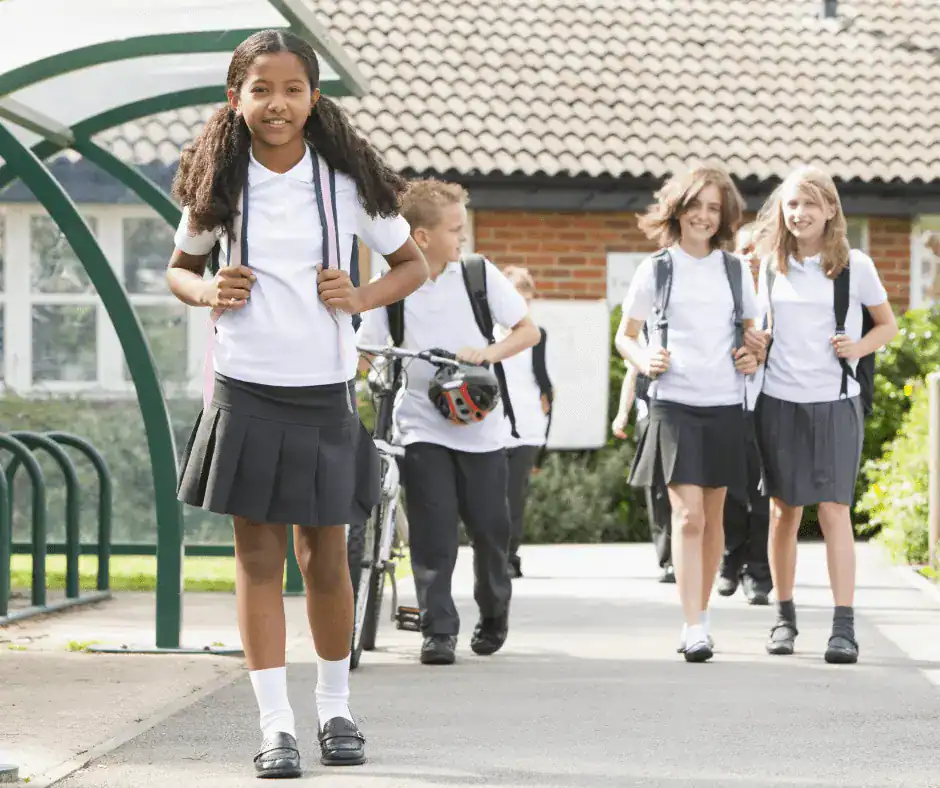

Changing schools is a major adjustment for any child, but moving to a new country adds another layer of uncertainty. Students may be leaving familiar friendships, routines, teaching styles and neighbourhoods behind all at once. Well-planned ISB transition programs can make that change feel more manageable by giving families structure, guidance and reassurance during the early stages of relocation.
The First Few Weeks Shape Confidence
A child’s first impression of a new school can influence how quickly they settle. If they feel lost, overlooked or unsure where to go, anxiety can build quickly. If they are welcomed clearly and introduced to routines in a calm way, the school can start to feel safer much sooner.
This is why transition support matters. Children need more than a timetable and a classroom number. They may need help understanding school culture, daily expectations, lunch routines, transport, extracurricular options and how to ask for support.
Small details can make a big difference. Knowing where to put a bag, who to sit with at lunch, what happens after school or how to find the right classroom can reduce the mental load. When those basics are handled well, students have more energy for learning and friendships.
Parents Need Support Too
Relocation can be emotionally demanding for parents. They may be managing housing, visas, work changes, transport and family routines while also trying to help their children feel secure. School transition support can give parents a clearer sense of what to expect and who to speak to.
Good communication is especially important before the first day. Parents often want to know what documents are needed, how placement works, whether there are orientation activities, how school buses operate and what support is available if their child struggles.
This information does not remove every concern, but it helps families feel less alone. When parents understand the process, they can speak more confidently to their children and create a calmer home environment during the move.
Friendships Are Part Of The Adjustment
Academic placement is important, but friendships often shape how a child feels about school day to day. A student who has someone to sit with, talk to or ask questions may settle far more quickly than one who feels socially isolated.
Schools can support this by creating opportunities for new students to meet classmates in low-pressure settings. Buddy systems, orientation sessions, clubs, sports, arts activities and advisory groups can all help students form connections beyond formal lessons.
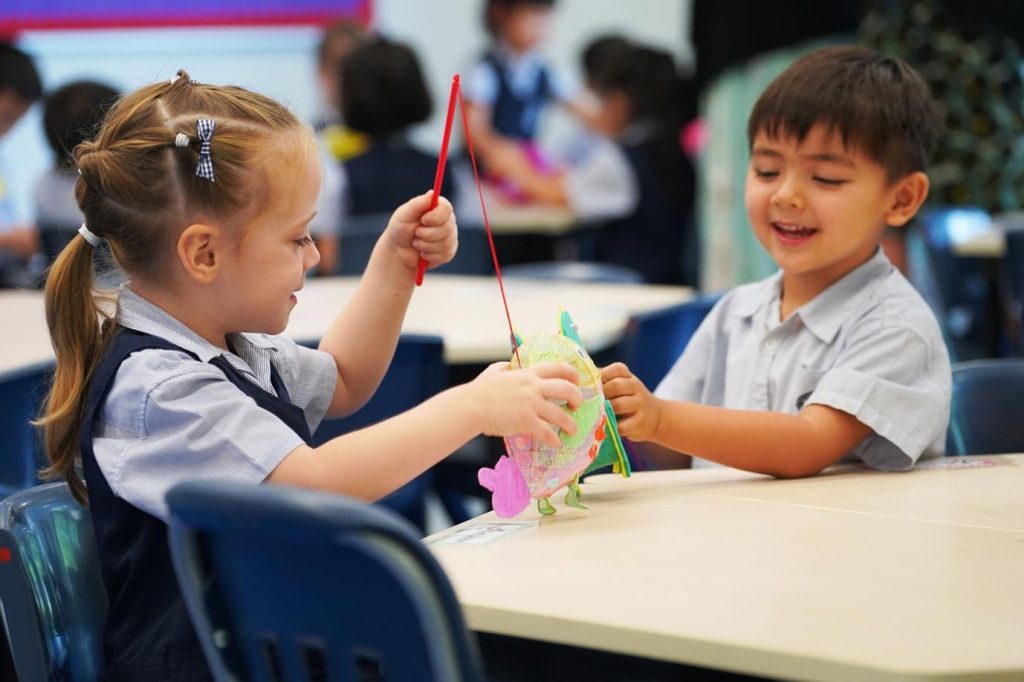
This is particularly useful in international schools, where many students understand what it feels like to arrive from elsewhere. Shared experience can make new pupils feel less unusual. They may meet others who have also moved countries, changed curricula or learned how to build friendships in a new environment.
Different Ages Need Different Approaches
A younger child may need help with simple routines, emotional reassurance and familiar faces. A teenager may be more concerned about friendships, academic pathways, university preparation, identity and whether they will fit into existing social groups.
Transition support should reflect these differences. Primary students often benefit from warmth, repetition and clear daily structure. Middle school students may need help navigating independence while still feeling supported. Older students may need academic guidance, course planning and space to discuss the social impact of the move.
It is also important to recognise that adjustment does not happen on a fixed schedule. Some children appear confident quickly, then struggle later. Others seem quiet at first but gradually settle as routines become familiar. Ongoing support allows schools and families to respond as needs change.
Settling In Is A Gradual Process
A successful transition is not only about surviving the first day. It is about helping a child build a sense of belonging over time. That may come through a favourite teacher, a reliable friend, a club they enjoy, a subject they feel good at or simply the comfort of knowing how the school day works.
Families can help by keeping routines steady at home, listening without rushing to fix every concern and encouraging children to get involved at a pace that feels realistic. Schools can help by checking in, communicating clearly and recognising that relocation affects the whole family.
When transition is handled carefully, a new school can become more than another part of the move. It can become the place where children begin to feel settled, connected and ready for the next stage of life abroad.
Comments are closed.