
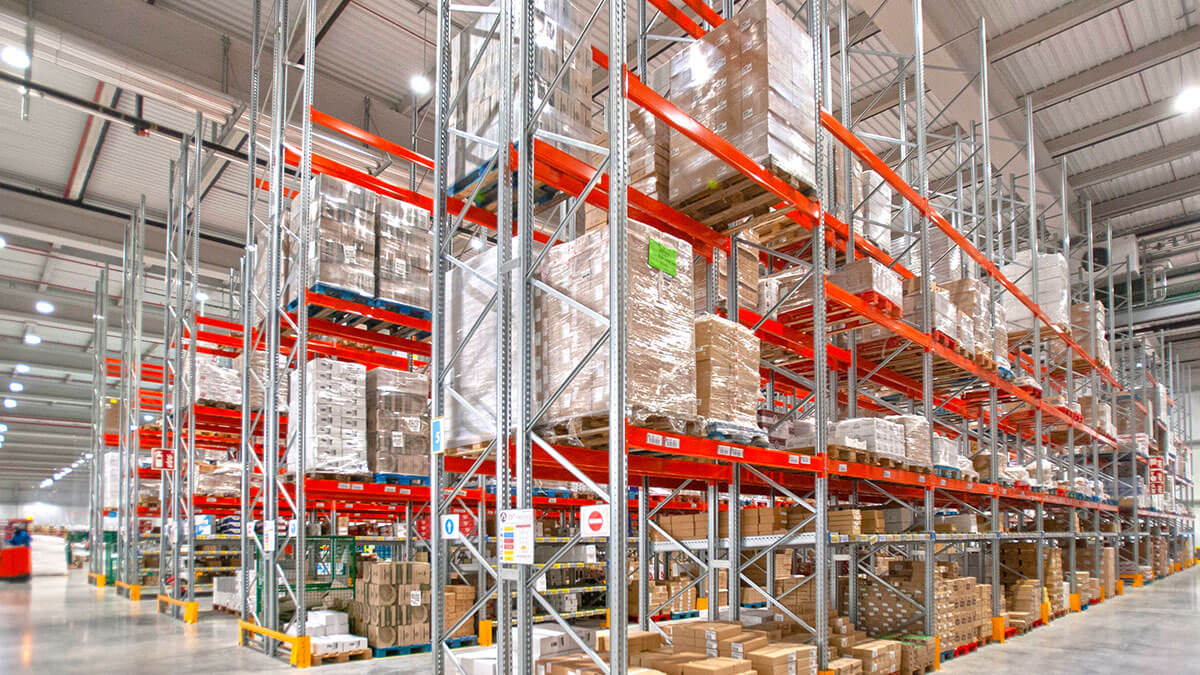

A warehouse can have plenty of square metres and still struggle operationally if pallet handling is slow, inconsistent, or difficult to control. That is why choosing the right pallet racking systems matters so much. Good pallet storage is not simply about stacking more goods vertically. It is about creating a layout that supports safe forklift access, predictable stock rotation, faster handling, and better use of the warehouse as a working environment rather than just a place to hold inventory.
Pallet Racking Sits At The Centre Of Warehouse Flow
In many operations, pallets are the basic unit around which goods move. They arrive on pallets, are stored on pallets, picked by pallet, and dispatched by pallet. Because of that, pallet racking has a much broader effect than people sometimes realise. It influences how quickly inbound goods can be put away, how easy stock is to locate, and how efficiently outbound orders can be assembled.
If the racking is poorly suited to the operation, the consequences appear everywhere. Forklift routes become less efficient, stock turns become harder to manage, and staff start relying on workarounds that slow the whole site down. Congestion at key aisles, difficulty accessing the right pallet at the right time, and inconsistent use of storage positions are all signs that the system is not doing enough to support the workflow.
A strong pallet racking layout helps bring order to that movement. It gives stock a defined structure and makes the warehouse easier to read, both for people and for equipment operators. That clarity is often where major efficiency gains begin.
The Best System Depends On Stock Behaviour
Not all palletised stock behaves in the same way, so not every business should approach racking in the same way either. Fast-moving goods need easy access and quick replenishment. Slower stock may justify denser storage. Some operations need direct access to every pallet location, while others are more concerned with maximising storage depth for bulk inventory.
This is where racking design becomes a strategic decision rather than a standard purchase. Businesses need to think about stock rotation, SKU range, pallet dimensions, load weights, replenishment patterns, and picking methods before settling on a layout. A warehouse serving retail distribution will usually have different priorities from one supporting manufacturing, wholesale supply, or cold-chain storage.
That is why a one-size-fits-all approach often causes problems later. The right racking system should reflect how goods genuinely move through the building. When the storage model matches stock behaviour, the operation becomes more stable and much easier to scale.
Forklift Efficiency Is Often The Hidden Factor
A lot of warehouse inefficiency comes back to how easily forklifts can do their job. If aisles are poorly planned, access points are awkward, or pallet positions are difficult to reach safely, every task takes longer than it should. Over the course of a day, that wasted motion adds up quickly.
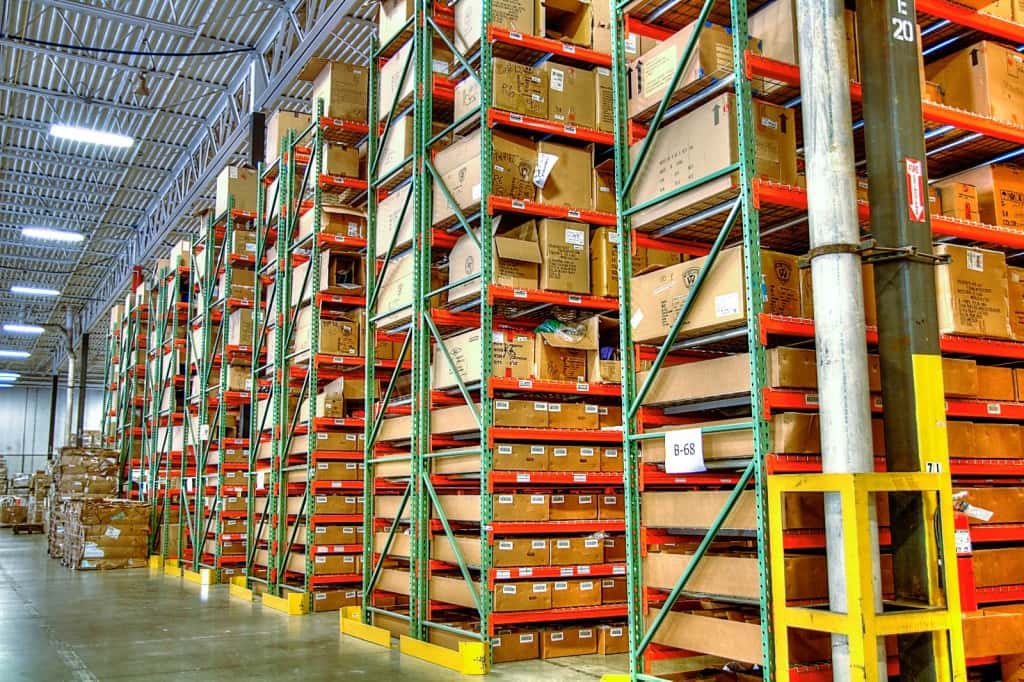
Pallet racking should therefore be considered in direct relation to materials handling equipment. The system has to support the turning space, lift height, and access pattern required by the trucks in use. It is not enough for the racking to fit physically into the warehouse. It has to function well under real operating conditions, with real drivers moving stock at pace.
When racking is designed properly around forklift use, the benefits are immediate. Put-away becomes quicker, retrieval is more consistent, and the warehouse feels calmer because movement is more controlled. In busy environments, this can have a major effect on both throughput and safety.
Storage Density Means Little Without Access Control
Many businesses begin by asking how many pallet positions they can create, which is understandable. Capacity matters. But storage density on its own can be misleading. A warehouse that stores more but makes the wrong stock harder to reach may actually become less productive overall.
The better question is how capacity and accessibility work together. Can the team reach the pallets they need without repeated repositioning? Can stock rotation be maintained properly? Are high-volume items stored in a way that supports rapid movement? These are the issues that separate a visually full warehouse from a genuinely efficient one.
This is especially important where stock accuracy and turnaround time matter. If pallets are hard to reach or frequently blocked by other loads, delays and mistakes become far more likely. A well-planned racking system protects against that by balancing storage volume with the practical needs of daily handling.
A Good Pallet Racking Setup Supports Growth Without Chaos
Warehouses rarely stand still. Product ranges expand, order profiles change, customer expectations rise, and volumes increase. A pallet racking system should not only solve today’s storage needs. It should also give the business a stronger platform for growth.
When the system is chosen well, expansion feels more manageable. Managers can allocate stock more logically, maintain clear zoning, and preserve operational discipline even as pallet movements increase. Without that structure, growth often creates clutter, temporary fixes, and increasing pressure on both people and equipment.
That is why pallet racking deserves careful attention early on. It is part of the operational backbone of the warehouse. When it works properly, handling becomes smoother, stock control improves, and the whole site is better equipped to perform under pressure. In practical terms, that can make the difference between a warehouse that merely stores goods and one that actively supports the business behind it.
Comments are closed.