
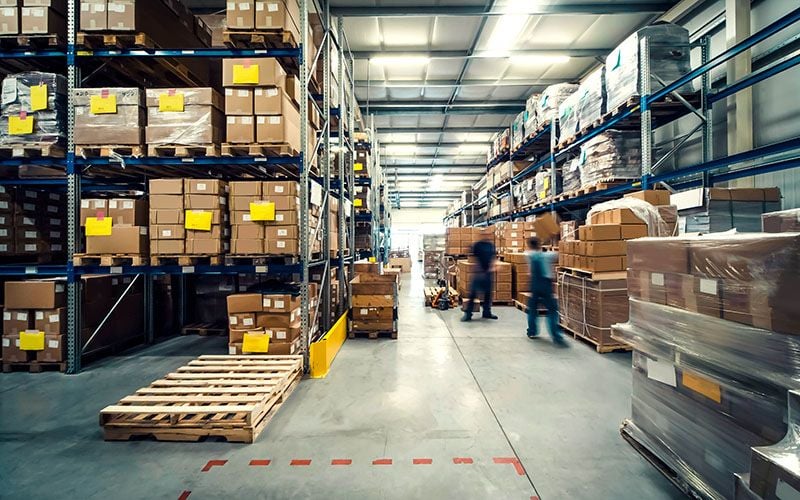

Ordinary storage is not suitable for every product. Businesses handling chilled food, frozen goods, healthcare stock, ingredients or temperature-sensitive materials need facilities that protect product condition as well as provide space. For companies looking for cold storage for rent in Thailand, the decision should be based on temperature control, reliability, location, scalability and how well the facility supports the wider supply chain.
Cold Storage Solves A Capacity Problem
Many businesses reach a point where their own storage space is no longer enough. This can happen during seasonal peaks, product launches, import growth, retail expansion or changes in customer demand. Building dedicated cold storage is expensive and may not be practical, especially if demand changes throughout the year.
Renting cold storage can offer more flexibility. It allows businesses to access controlled space without committing to a full facility of their own. This can be particularly useful for companies testing a new market, expanding distribution or handling temporary increases in stock.
The key is to choose storage that matches the product, not just the available space. A facility should be able to maintain the right temperature range consistently and support safe handling from arrival to dispatch.
Temperature Range Must Match The Product
Cold storage is not one single category. Different products may require frozen, chilled or controlled ambient conditions. A frozen seafood shipment, a dairy product, a pharmaceutical item and a fresh ingredient may all need different environments.
Businesses should be clear about the temperature range required before choosing a facility. They should also understand how sensitive the product is to short changes in condition. Some goods may tolerate brief handling periods, while others need stricter control throughout.
This is where proper storage planning matters. The wrong environment can affect shelf life, texture, safety, appearance or compliance. Matching the product to the right storage conditions helps protect both quality and commercial value.
Location Affects More Than Convenience
In Thailand, storage location can influence delivery speed, transport cost and product risk. A facility may look suitable on paper, but if it is poorly positioned for suppliers, ports, factories, retail networks or customers, the wider logistics process may become harder to manage.
A strong cold storage location should support the way goods actually move. Businesses may need access to Bangkok, industrial estates, airports, ports or regional distribution routes. The right location can reduce unnecessary handling and help products spend less time in transit.
This is especially important in a hot climate. Shorter, better-planned journeys between cold storage and delivery points can help maintain product quality and reduce operational stress.
Handling Standards Are Just As Important As Space
Renting cold storage is not only about placing products in a temperature-controlled room. Goods still need to be received, checked, moved, organised, picked and dispatched correctly. Poor handling can weaken the benefit of even the best storage environment.
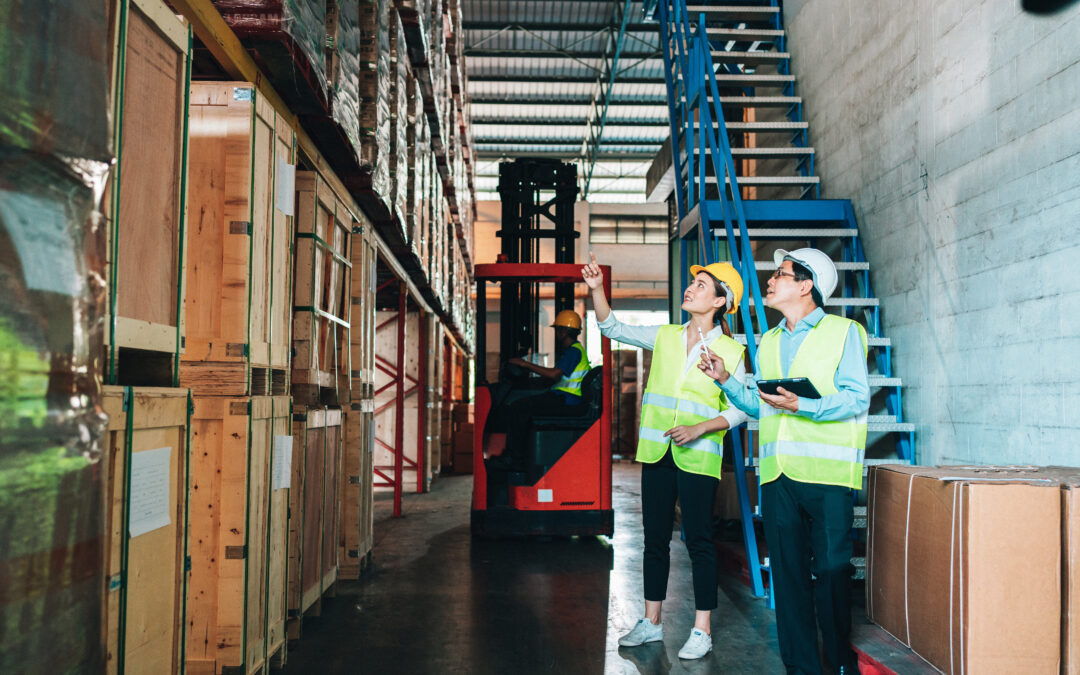
Businesses should consider how the facility manages loading areas, stock rotation, documentation, cleanliness, pallet movement and product separation. For food, healthcare or specialist goods, these details can be important for both safety and customer confidence.
Clear processes also help reduce mistakes. If stock is labelled, stored and released properly, teams can manage inventory more accurately and respond to orders with fewer delays.
Flexibility Helps Businesses Manage Demand
Demand is rarely fixed. A food supplier may need more frozen space before a busy holiday period. A retailer may need temporary chilled capacity for a promotion. An importer may need storage while waiting for onward distribution.
Flexible cold storage can help businesses respond to these changes without overcommitting. It gives companies room to grow, test new products or manage peaks more efficiently.
The best arrangement supports both short-term and longer-term needs. It should allow the business to protect stock today while keeping options open as demand develops.
Good Cold Storage Supports Better Decisions
A reliable cold storage facility can improve more than product condition. It can help businesses plan stock levels, reduce waste, protect customer relationships and manage distribution with greater confidence.
When storage, handling and transport work together, temperature-sensitive products are easier to control from arrival through to final delivery. That creates fewer surprises and gives teams more certainty when planning sales, production or fulfilment.
For businesses operating in Thailand, rented cold storage can be a practical way to access specialist infrastructure without building it themselves. The right facility should protect the product, support the supply chain and give the business enough flexibility to manage changing demand.
Comments are closed.